

React Development For Apps & Dashboards
Most people searching for React development need an app with state and users doing things — dashboards, portals, booking flows — or they were told React is modern for a marketing site. Those jobs need different answers.
I build front ends in React and TypeScript for software that behaves like software. For content/SEO sites I point you to Next.js instead.
The common failure is code that works for three months then becomes expensive to change — 1,200-line components, prop drilling, scattered state, and 800KB bundles.
Both problems are avoidable with early decisions on state, data fetching, component boundaries, and what loads when.
Scoping call
Written proposal
Feature slices
Handoff
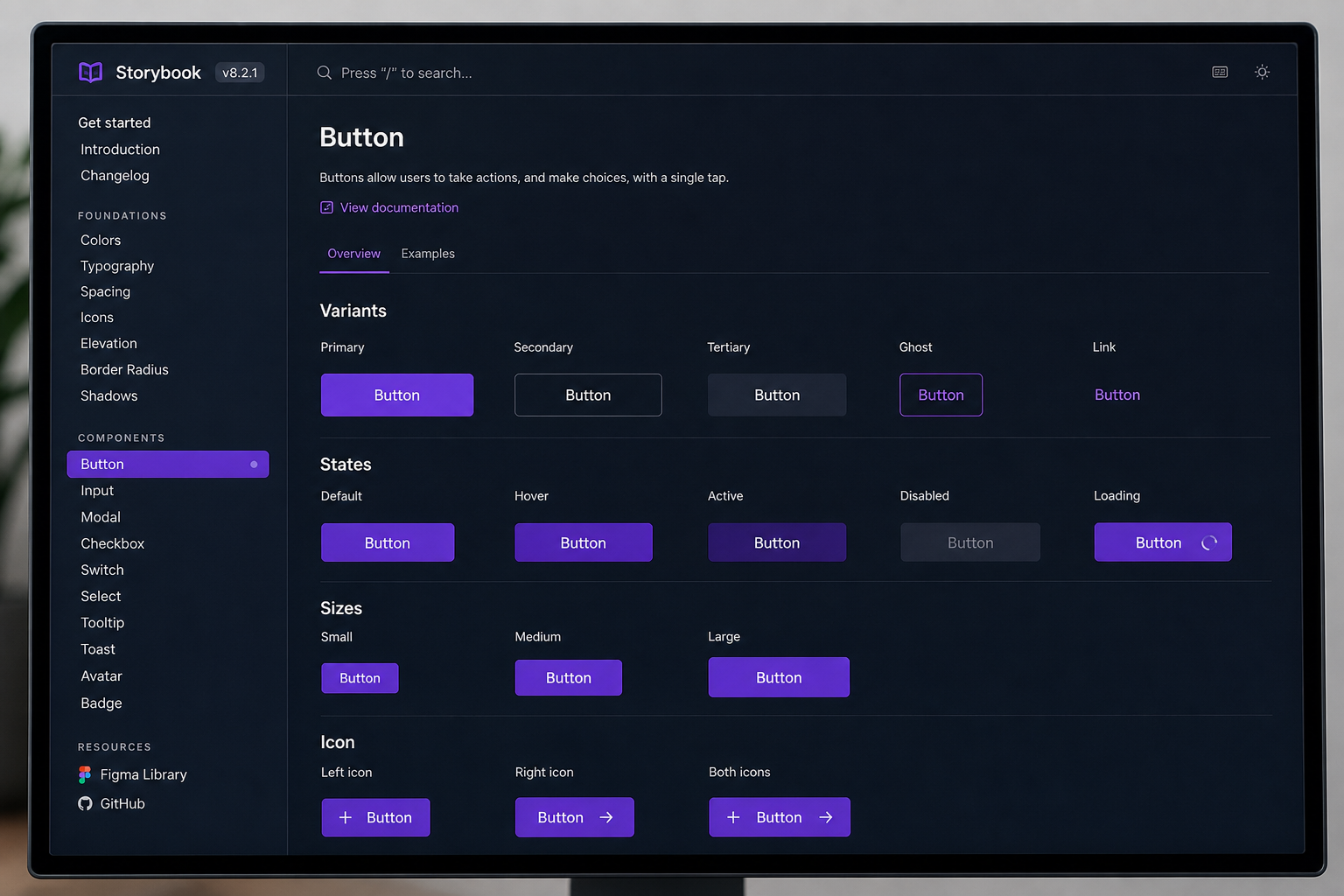
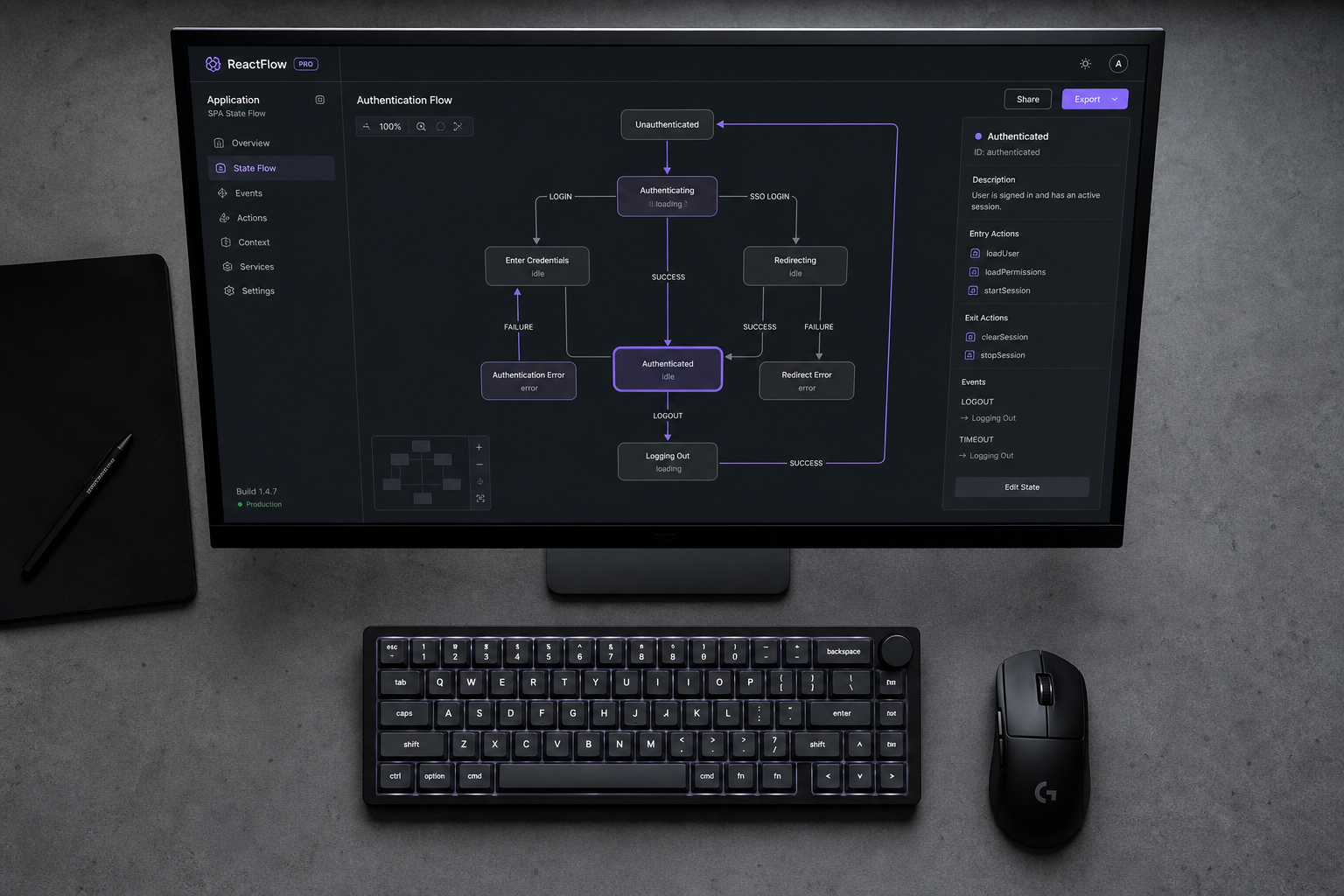
What's Included
Architecture with Vite + TypeScript, component architecture, typed API layer with TanStack Query, forms with Zod, performance, accessibility, tests on critical logic, and clean handoff.
- Vite + TypeScript scaffolding
- Feature-based architecture
- Presentational vs data components
- TanStack Query data layer
- Auth flows & route guards
- React Hook Form + Zod
- Code splitting & bundle analysis
- A11y, tests, docs, deployment

Hire a React developer — request a quote
Tell me what you are building, who uses it, and what already exists. Written scope and a real number — or what to use instead.
Who This Is For
Internal tools, API front ends, SaaS UIs, codebase rescues, and React islands in CMS sites. Not for brochure/blog/local SEO sites.
- Internal tool / admin dashboard
- API exists — need a usable UI
- SaaS product screens & states
- Existing React app slowing you down
- Embedded React island in a CMS site
- Not a fit: brochure / blog / local SEO
- Not a fit: backend/DevOps/mobile-core work
- See React vs Next.js for marketing sites
Typical Timeline
Assumes feedback within a couple of days and APIs existing or built in parallel. Unstable contracts and mid-build design changes stretch timelines.
| Scope | Typical timeline |
|---|---|
| Feature/module in existing app | 1–2 weeks |
| Small dashboard (5–8 screens) | 3–4 weeks |
| Custom app (10–20 screens, auth) | 6–10 weeks |
| Larger product / phased | 10 weeks+ |
| Audit & refactor plan | 1–3 weeks |
Soft Pricing Estimates (USD)
USD estimates after scoping, in writing. Typical payment 40% / 30% / 30%. Marketing/content sites are usually better spend on Next.js.
| Engagement | Estimated range |
|---|---|
| Audit + refactor plan | $1,200–$3,000 |
| Feature in existing React app | $2,500–$5,000 |
| Dashboard or internal tool | $4,000–$9,000 |
| Custom multi-role application | $8,000–$20,000+ |
| Ongoing retainer | From $1,500/month |
Most standalone projects land $2,500–$12,000. For public content sites see Next.js development.
How I Approach The Work
Boring version first. Server state ≠ client state. Types for humans. Measure before optimizing. You own everything. I push back on useless scope.
- Duplicate until the pattern is obvious
- Query library for server state
- Real domain types — not any
- Profile before useMemo everywhere
- Your repo and accounts — no lock-in
- Say no to cost without value
Frequently Asked Questions
React vs Next.js, existing codebases, design, missing APIs, mid-project changes, and after launch.
Should I use React or Next.js?
Apps behind login — React with Vite is often simpler. Public content that must rank or preview well — Next.js. Product + marketing site together — Next.js can do both.
Can you work with our existing React codebase?
Yes. Short audit first, then incremental refactor or targeted rebuilds. Full rewrites only when the case is genuinely strong.
Do you do design as well as development?
I implement Figma faithfully and fill gaps on states/responsive. I am not a brand designer.
What if we don't have an API yet?
Work to an agreed contract with mocks, then swap real endpoints. Or use something like Supabase for auth/db/storage when there is no backend team.
How do you handle changes mid-project?
Small in-scope refinements are normal. New screens, integrations, or roles get a written estimate first.
What happens after launch?
Support window for defects I built. Then retainer for features or clean handoff to your team. Code and docs are yours from day one.
Hire a React Developer — Request a Quote
What you are building, who will use it, what is already in place. If React is right: written scope, timeline, real number. If not: what to use instead.
Hire a React developer — request a quote
Direct scoping. Written proposal. No wrong-stack sales pitch.